How to Choose the Right Golf Cart for Your Lifestyle
For many, a golf cart is no longer a vehicle reserved solely for the golf course. Today, these versatile transports support a wide range of uses, from navigating residential communities to assisting with property upkeep or providing relaxed transportation across expansive grounds. Because of this expanded role, selecting the right golf cart requires more than choosing the first appealing model. A thoughtful decision starts with evaluating how the cart will be used, where it will operate, and how often it will be relied upon. Careful consideration of these factors helps ensure the cart integrates seamlessly into daily routines rather than becoming an underutilized or frustrating investment.
Making an informed choice also means anticipating common challenges before they arise. Issues such as insufficient power, limited comfort, or unexpected ownership costs often stem from rushed decisions or incomplete evaluations. By taking the time to align features, performance capabilities, and maintenance expectations with real-world needs, buyers can select a cart that delivers consistent value. The result is a more reliable, comfortable, and enjoyable experience that enhances everyday activities instead of introducing unnecessary limitations.
Assess How You Plan To Use the Cart Daily
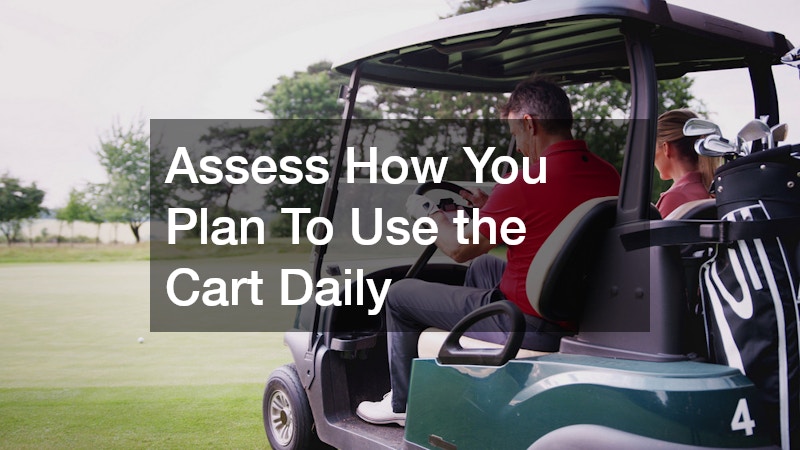
Understanding how you intend to use your golf cart daily is essential. This insight serves as the foundation upon which you build your idea of the perfect cart. Daily usage patterns significantly influence necessary performance levels, the size of the cart, and how it’s configured to meet your expectations. For instance, a cart exclusively intended for smooth pavement travel needs vastly different features than one designed for longer ventures, transporting equipment, or treading over rugged terrain. Clarifying these expectations right from the start helps streamline the process and efficiently narrows down your choices, saving time and effort.
The location where the cart will primarily be used plays an equally crucial role as the frequency of use. Different environments such as residential hubs, private estates, or mixed-use landscapes demand various levels of maneuverability, speed, and durability. Furthermore, terrain conditions like slopes, gravel pathways, or grassy plains have an impact on selecting the appropriate power requirements and drivetrain. Ensuring your cart’s capabilities match these elements prevents unnecessary wear on its components and boosts reliability.
Equally important is the passenger capacity and cargo needs. Whether the cart will mainly transport one or two riders or regularly ferry multiple passengers, tools, or other items, these factors must be considered. Choosing a configuration that aligns with these specifications prevents future compromises and ensures the new golf cart fits seamlessly into daily life without limitation.
Match Performance Features to Your Environment
When evaluating performance features, it’s crucial to consider the environment in which you expect to operate the cart rather than relying solely on manufacturer specifications. Elements such as altitude, typical load weight, and stop-and-go usage patterns influence the power of the motor, battery capacity, and necessary cooling mechanisms. Choosing performance features that match your real-world operating conditions helps maintain consistent and reliable performance.
Determining the appropriate power source also holds significant importance. Electric carts are favored for their quiet operation and reduced routine maintenance needs, while gas-powered models may offer greater range and quicker refueling times in specific settings. Likewise, environmental factors, storage solutions, and charging availability should also guide your decision to ensure practicality.
Comfort and refinement can also factor into performance, especially for longer or more frequent use. Suspension quality, noise levels, and acceleration smoothness contribute to overall usability. Buyers interested in a luxury golf cart often prioritize these elements, as performance is measured not only by capability but by the experience it delivers.
Prioritize Comfort and Convenience Features
The comfort level directly dictates how frequently and readily a golf cart is utilized. Features such as seating design, ample legroom, and user-friendly controls significantly enhance the riding experience, especially for prolonged or daily use. It’s vital for buyers to consider whether the standard seating configurations fulfill their requirements or if upgraded options should be explored.
Ride quality forms another critical consideration. Elements such as a robust suspension system, optimal tire selection, and chassis design intricately influence how the cart handles bumps, turns, and uneven terrains. A smoother ride mitigates fatigue and boosts safety, particularly for elderly passengers or in instances where the cart experiences heavy usage.
The design decision between open-air and enclosed configurations also plays a role in ensuring comfort. Factors such as weather conditions, climate, and storage needs should guide these choices. When inspecting used golf carts for sale, a detailed examination of comfort-related features is necessary, as wear and modifications can markedly affect the quality and usability of the ride.
Balance Budget With Long-Term Ownership Costs

While the initial purchase price commands attention, it’s only one component of the broader ownership cost spectrum. Regular maintenance, energy or fuel expenses, replacement parts, and insurance all contribute substantially to the long-term costs associated with owning a golf cart. Buyers who solely focus on initial costs may face unexpected and often higher expenses down the road.
Maintenance demands vary across different models and configurations. Some require more frequent servicing or specialized parts, which can drive up costs and cause unnecessary downtime. Grasping these elements ahead of time helps in making informed comparisons and avoiding unwelcome surprises.
Resale value is an additional aspect worthy of consideration, more so for those who may opt for an upgrade in the future. Models with strong market demand, a track record of reliable performance, and reputable brands often retain their value effectively. Collaborating with a seasoned golf cart dealer can offer valuable insights into which options deliver the optimal blend of upfront cost and long-term value.
Understand Maintenance and Service Accessibility
An ongoing, accessible service significantly impacts the contentment of owning a golf cart. Even the most dependable carts require routine check-ups, and the proximity to skilled service providers plays a big role in convenience and potential downtime. Consider how readily available service support is in your area.
Routine maintenance duties, such as battery upkeep, brake inspection, and tire replacement, should be effortless and well-supported. Carts designed with user-friendly access points simplify these processes and reduce labor expenses. Clear, accessible maintenance schedules also help owners plan effectively and budget accordingly.
Service availability extends beyond routine care. In the event of unexpected issues, having access to dependable local auto repair support ensures problems are resolved quickly. This accessibility reduces operational disruptions and supports long-term reliability.
Consider Repair Complexity and Downtime Risk
Not all golf carts offer the same ease of repair. Systems with advanced features or proprietary components may compensate with enhanced capabilities but necessitate specialized knowledge and parts for repairs. Assess these factors and weigh them against your tolerance for potential delays or extended downtimes.
The availability of parts is a critical factor to consider. Models with abundant part availability are generally easier and quicker to repair, whereas niche or discontinued models may entail extended wait periods. Being aware of these risks empowers buyers to make well-informed decisions about long-term ownership.
Having a plan for potential downtime is especially critical if the cart is integral to daily activities. Identifying a nearby auto repair shop and understanding predicted turnaround times can help mitigate any disruptions. A cart that is designed for easier servicing offers greater peace of mind, ensuring continuity in use.
Evaluate Durability and Build Quality
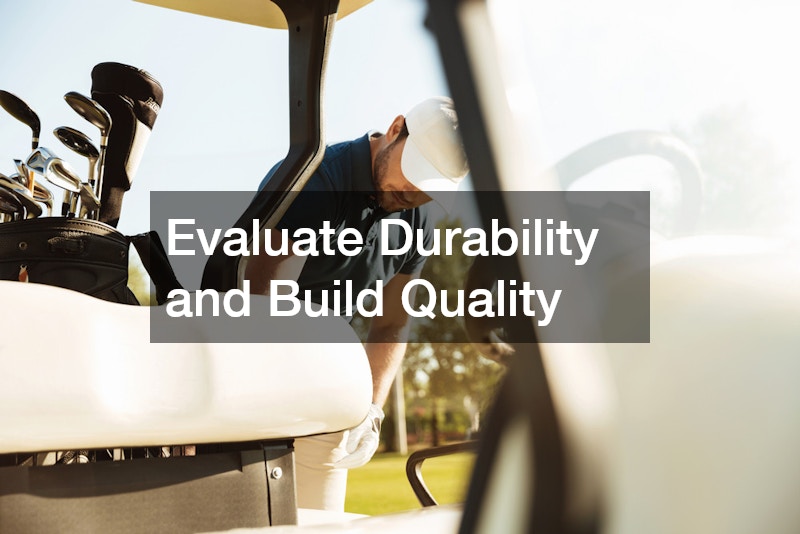
Durability is a critical indicator of how well a golf cart will perform over time, especially when subjected to frequent use, changing weather conditions, and occasional impacts. Structural elements such as frame material, weld integrity, and corrosion resistance directly influence longevity. Buyers should look beyond exterior finishes and assess the underlying construction to ensure the cart can withstand its intended workload without premature deterioration.
Protective features add meaningful value, particularly in environments where wear is unavoidable. Reinforced body panels, impact-resistant components, and effective weatherproofing help shield vital systems from damage. These enhancements not only preserve appearance but also reduce the frequency and cost of repairs, contributing to lower long-term ownership expenses and more consistent performance.
In higher-risk settings, such as busy properties or carts used for utility purposes, build quality becomes even more important. Understanding repair pathways, including the capabilities of a trusted auto body shop, helps buyers evaluate how easily cosmetic or structural issues can be corrected if damage occurs. This foresight supports smarter purchasing decisions and greater confidence in the cart’s ability to endure demanding conditions.
Factor in Safety and Liability Considerations
Regardless of how a golf cart is used, safety features should remain a top priority during the selection process. Reliable braking systems, adequate lighting, properly positioned mirrors, and visibility enhancements all play a critical role in preventing accidents. Evaluating how these features perform in the intended operating environment helps ensure the cart supports safe, confident operation rather than introducing unnecessary risk.
Local regulations further influence which safety elements are required or recommended. Many communities enforce specific rules related to speed limits, passenger seating, restraint systems, and where carts may legally operate. Understanding these requirements early allows buyers to choose configurations that meet compliance standards and avoid costly modifications or usage restrictions later.
Liability considerations become especially important when a cart is used in shared or public spaces. Accidents involving pedestrians, other vehicles, or property can result in legal and financial consequences. Insights often emphasized by a personal injury lawyer highlight why prioritizing safety features, responsible operation, and regulatory compliance protects not only riders but also long-term ownership interests.
Explore Alternative Buying Channels Carefully
While nontraditional purchasing channels may present appealing pricing, they often introduce higher levels of uncertainty. Buyers exploring these options should proceed carefully, as details about condition, prior use, and long-term support are not always fully disclosed. Limited transparency can make it difficult to accurately assess value, increasing the chances of unexpected repairs or performance issues after purchase.
Thorough verification becomes essential when using alternative buying methods. Buyers should prioritize in-person inspections, request documentation when available, and confirm that replacement parts and qualified service support are accessible within a reasonable distance. Skipping these steps can lead to costly surprises that outweigh any initial savings. A structured evaluation process helps mitigate these risks and protects the overall investment.
Options such as heavy equipment auctions can offer value for experienced buyers who understand equipment assessment and market pricing. However, these platforms demand careful due diligence and realistic expectations. Weighing potential savings against repair risk, downtime, and limited recourse allows buyers to determine whether these channels align with their experience level and long-term ownership goals.
Compare Golf Carts With Other Recreational Vehicles

In certain scenarios, buyers find themselves choosing between a golf cart and other recreational or utility vehicles. Since each option fulfills different purposes, understanding their distinctions in capability, safety requirements, and operating costs is crucial to selecting the ideal vehicle for your lifestyle.
Golf carts excel in low-speed environments, offering simplicity in use and minimal storage needs. Nonetheless, they might not be the preferred choice for rougher terrains or higher speed travels. Detailed performance comparisons aid in ensuring the selected equipment caters to your specific needs.
Evaluating alternatives often involves visiting atv dealers to comprehend the varying performance characteristics, safety necessities, and operating expenses. This step ensures prospective buyers pick a vehicle that fits their intended use, rather than defaulting based on familiarity or perceived advantages.
Opting for the right golf cart involves more than merely comparing models and prices—it requires a deeper understanding of how the cart will integrate with daily routines, environmental conditions, and long-term ownership expectations. Those who invest time in evaluating these aspects find themselves better prepared and more confident in their decision-making. This process encourages buyers to think beyond immediate needs and consider how usage patterns may evolve over time, ensuring the cart remains practical and efficient well into the future.
A meticulously chosen cart augments convenience, comfort, and reliability, aiming to minimize unforeseen costs and frustrations. By adopting a thoughtful and informed approach through clear goal identification and thorough evaluation, buyers can secure an option that supports today’s needs while adapting fluidly to future lifestyle requirements. This level of foresight also promotes better satisfaction, reduced maintenance concerns, and a more enjoyable ownership experience overall.